




Activities, Greenland, Greenland, Culture, News, News, Projects, Activities, Projects
ILLERNGIT are the Sled Tracks We Lay – Two Successful Workshops in Nuuk and Sisimiut
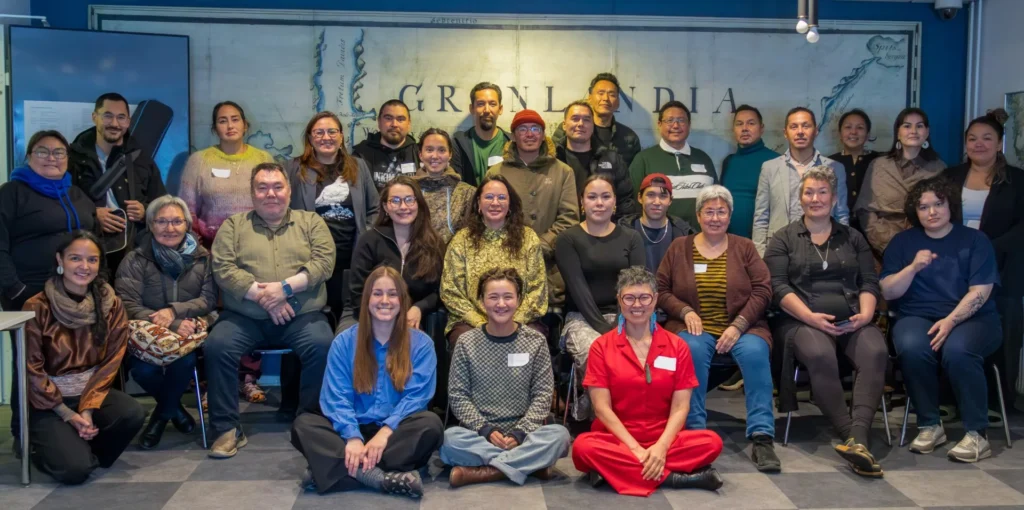
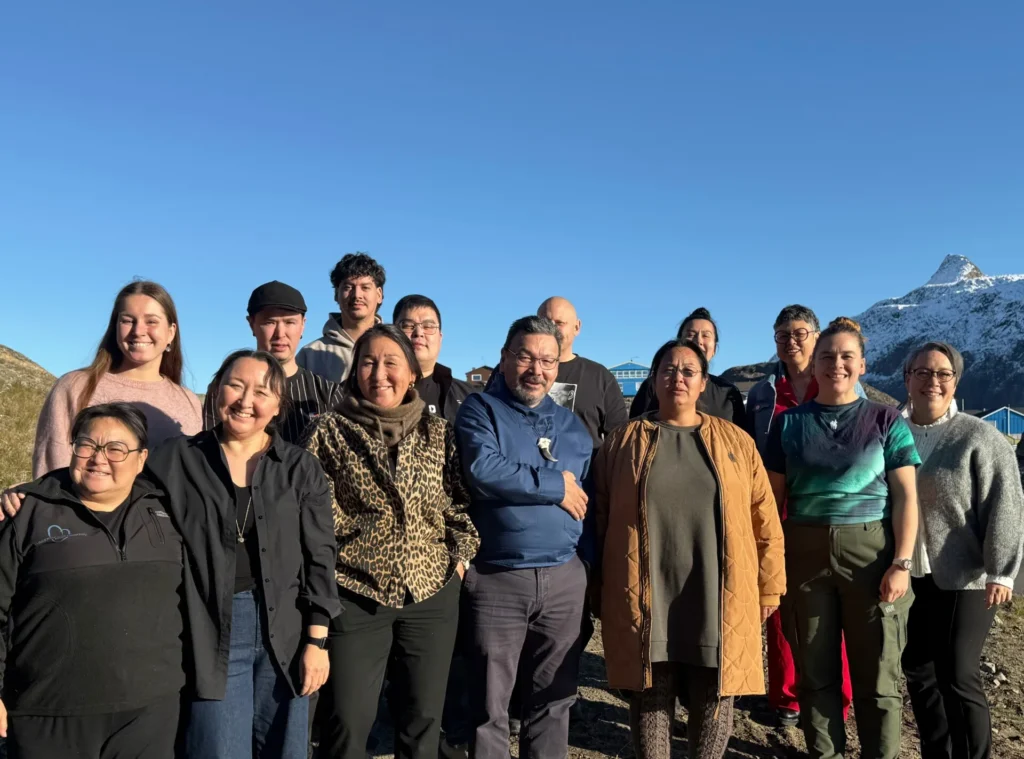
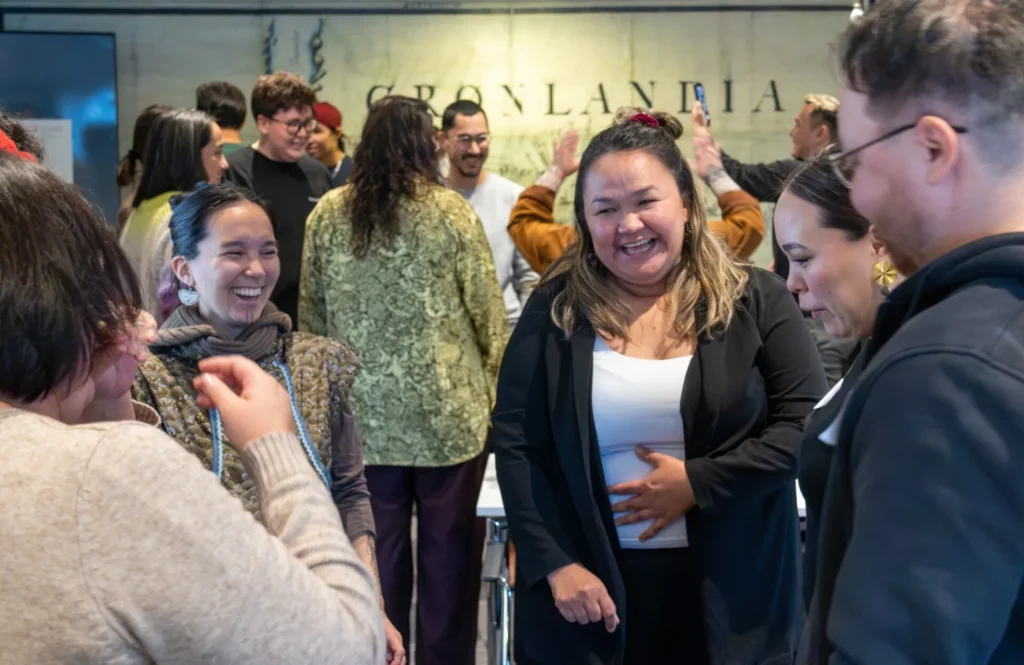
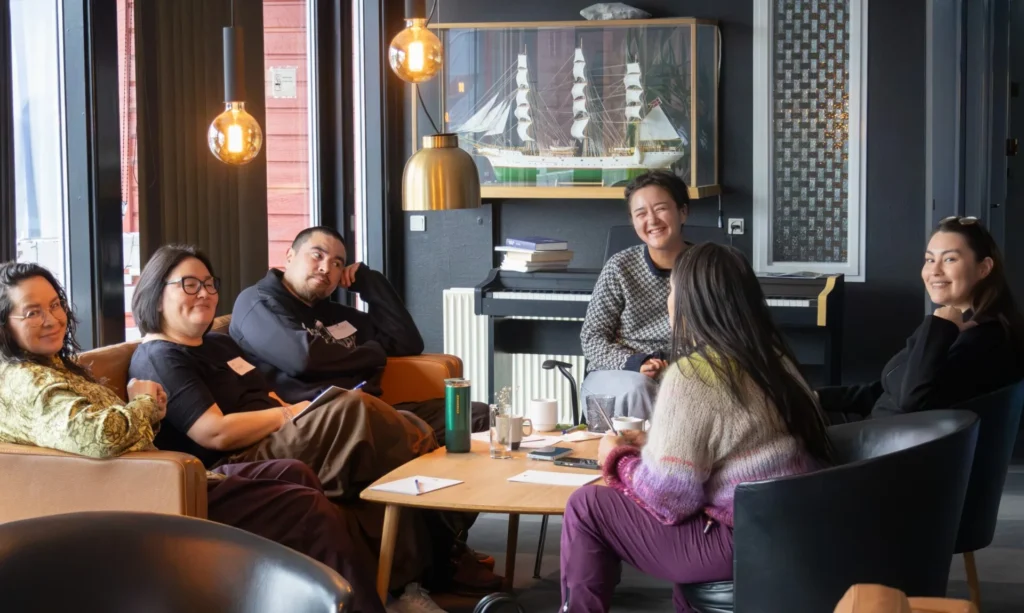
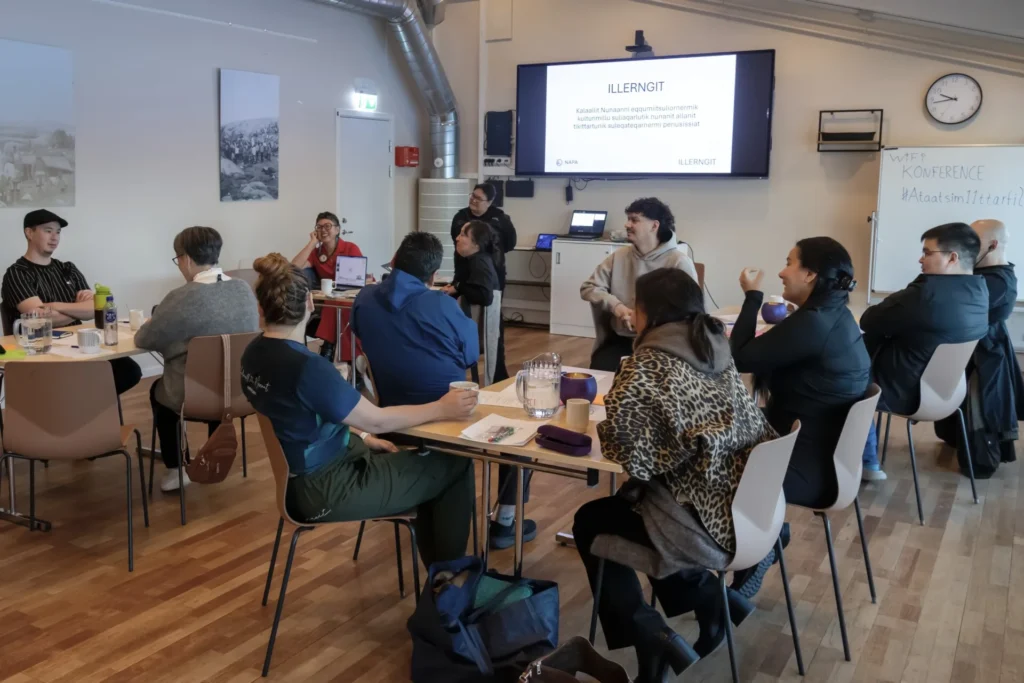
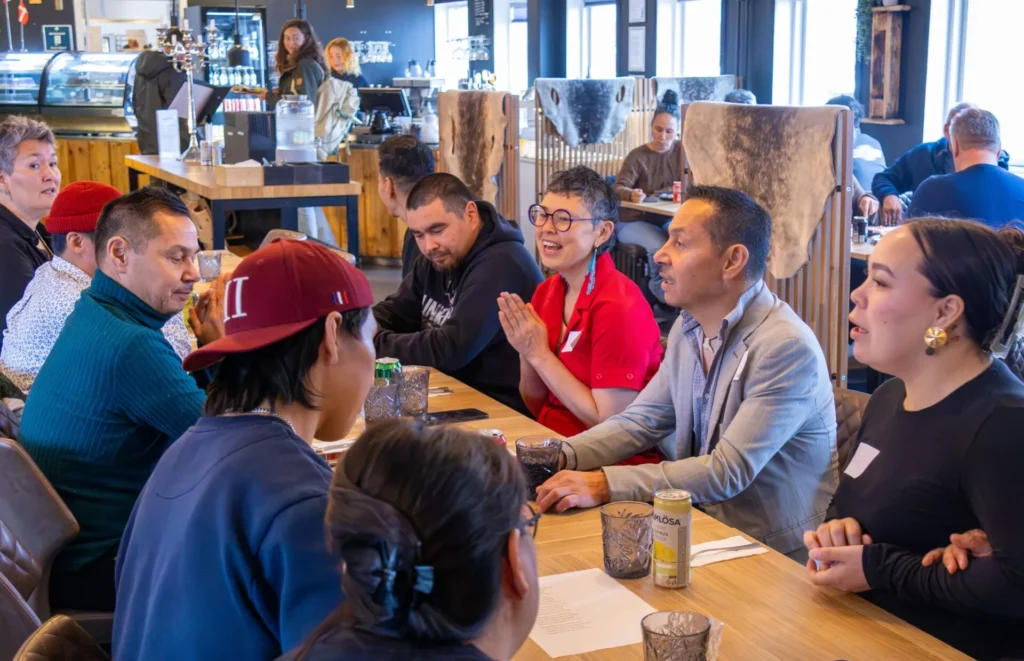
What positive and negative experiences have artists and creative practitioners in Greenland had when collaborating with people who come to Greenland to work on cultural projects? Is sufficient consideration given to Greenlandic culture, local knowledge and traditions? What are the things that people from outside Greenland often misunderstand, or simply do not know, about Greenlandic culture? What does respectful collaboration mean, and what does it look like in practice?
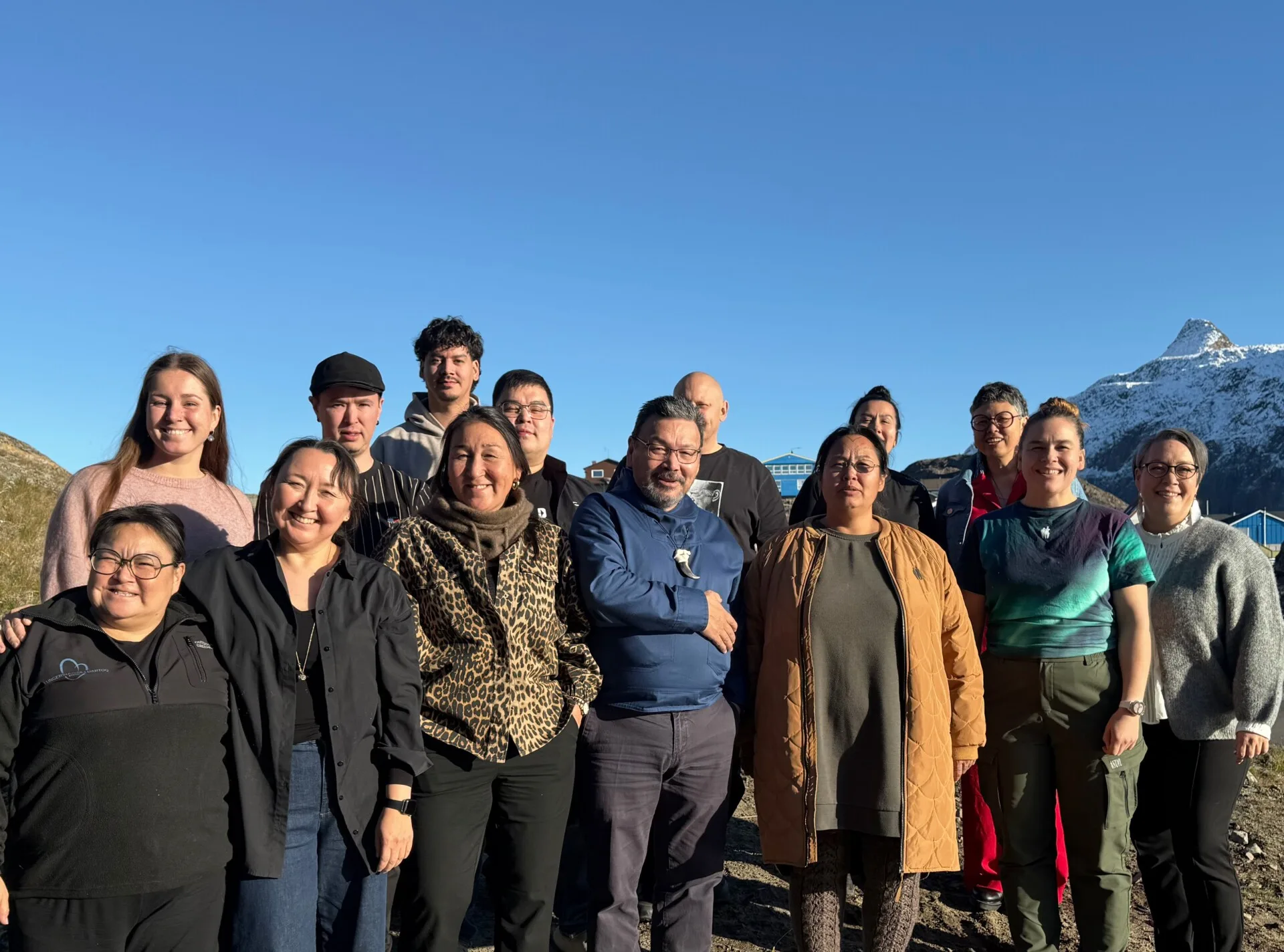
These questions, among others, were discussed during two workshops in Nuuk and Sisimiut. The aim is to develop guidelines that can provide external collaborators with a stronger cultural understanding before coming to Greenland to work. This may include people involved in film productions, art exhibitions, or other cultural projects.
Several Greenlandic professionals within the creative sector have called for such guidelines, as well as support and resources that can help reduce the need to repeatedly explain local contexts and ways of working to external collaborators. The hope is that the guidelines can help foster understanding of Greenlandic culture, as well as respect and equality, before collaborations even begin.
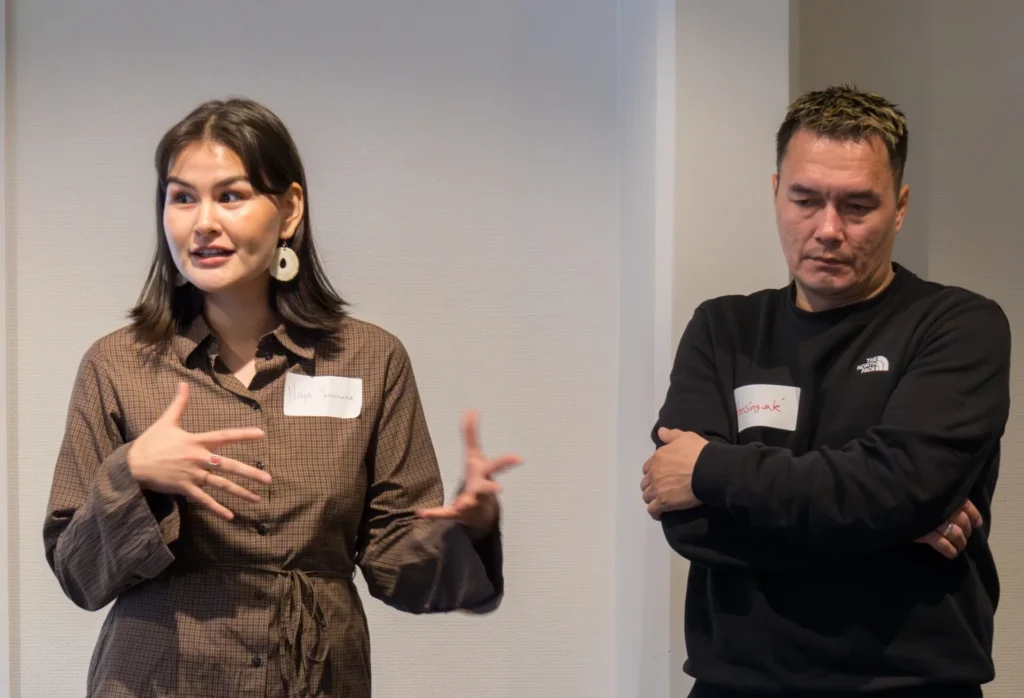
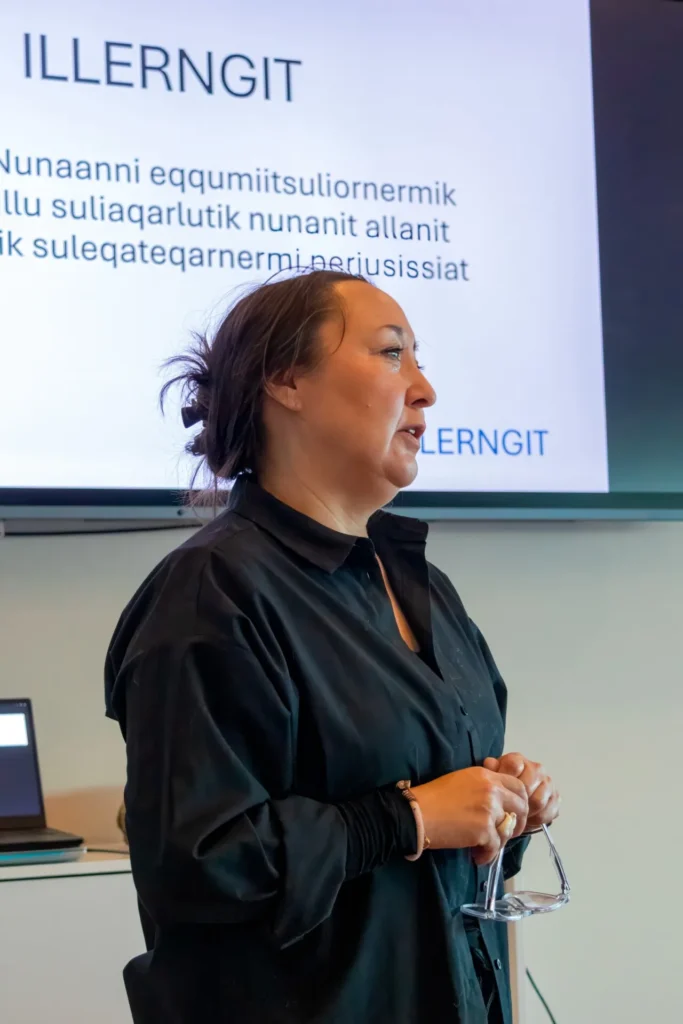
The workshops consisted of several rounds of group discussions, during which participants from a wide range of artistic and cultural disciplines explored the topic together. These sessions were followed by presentations and plenary discussions.
Naja Parnuuna Vahl Olsen, musician and festival coordinator, participated in the workshop in Nuuk. She says:
“Taking part in this workshop has been both inspiring and rewarding. Our culture plays such an important role in society and should not simply serve as an attraction for people from outside. It was valuable to openly discuss the considerations that should be taken into account when entering into collaborations with external partners, the considerations and responsibilities involved, and the opportunities and benefits such collaborations can bring. We hope that similar events will be held more often in the future.”
The workshops form part of a larger project called ILLERNGIT. AneMarie Ottosen, project manager and the originator of the project’s name, explains:
Our project is called ILLERNGIT because when working with art and culture, you often have to follow the paths of others first and then create new paths and share them with the people you meet along the way.
It is important to us that people from outside understand who and what they have come to. Our identity has been shaped by nature, and respect for nature remains deeply rooted here. It is important to show respect for the people you work with, and for collaborations to be based on equality. Often, it is the people who live in the country who know which paths to follow in order to create something. That knowledge and experience should be respected when people come to visit or work here.”
The results of the workshops, and of the project as a whole, will be published once the material from the meetings has been processed and compiled into a set of concrete guidelines for international collaborators.
The project is organised by NAPA, with the Saami Council acting as a partner and adviser. It is supported by the Nordic Culture Fund, Eqqumiitsuliornermut Aningaasaateqarfik – The Greenlandic Arts Foundation, Sermeq Puljen, Kommuneqarfik Sermersooq, the Danish Tips and Lotto Funds, and KATUAQ.