






Creative workshops for the youth imagine sustainable living in the Arctic
The three universities involved are part of a network of educational and research institutions known as the University of the Arctic. The Sustainable Portraits Project emerged in connection with a larger initiative, New Genre Arctic Art Education (AAE), a collaboration between two thematic networks of UArctic: Arctic Sustainable Arts, Design and Visual Culture (ASAD) and Children of the Arctic: Traditional Knowledge and Sustainable Development.
Art is a driving force for raising awareness about the environmental crisis that we are currently facing, and it serves as a fertile medium to explore new ideas and sustainable practices. In Sustainability Portraits, artmaking provided powerful tools for decolonisation, the revival of traditional knowledge, and for connecting with local histories and environments.
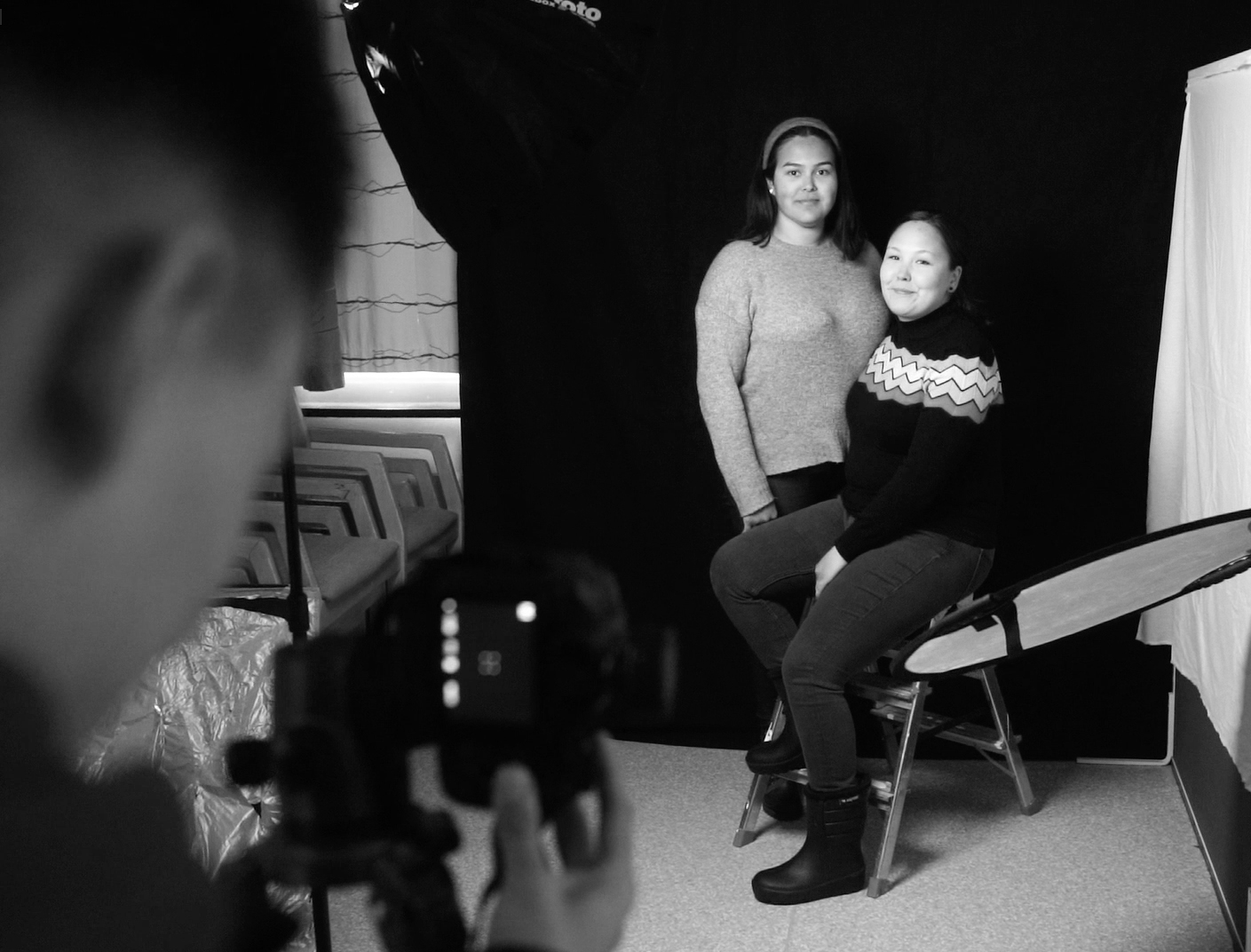
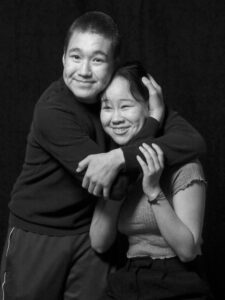
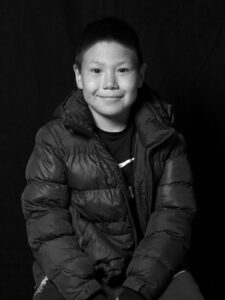
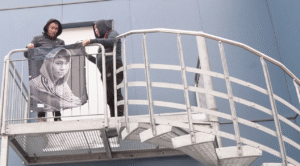
Fifteen workshops took place in Greenland, Norway, Sweden, and Finland. Participants were invited to create self-portraits that explored their ways of being in the world. In this way they could visualise their relationship to larger wholes such as the natural environment, culture, society, and livelihood. In the process, youths got the opportunity to practice at various artistic media and realising community events, where a special dynamic of trust between photographer and model was established.
In Greenland, for instance, members of Siunissaq facilitated distinct workshops for teachers and students of Majoriaq Centre in Maniitsoq. Through writing and photographic portraits, participants highlighted their sense of belonging to a group and the importance of supporting each other.
After the workshops, the local community could gather to appreciate their outcomes during dedicated events. Seminars were arranged for educators and university students too. Works produced in each location were displayed locally and later brought together in a joint exhibition presented in Umeå, Karasjok, Bodø and Rovaniemi. In so doing, the project succeeded with its aim to connect people across the Arctic and amplify their visions of sustainability within the Nordic countries.
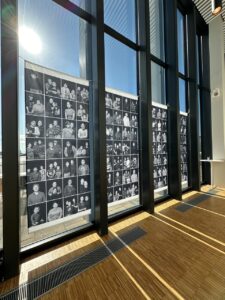
Photo: Siunissaq
Aesthetics and creative practices lie at the heart of the project’s methodologies: Art-Based Action Research. This type of research, often carried out in real-life contexts, aims to generate new knowledge in close collaboration with communities and local stakeholders. Such an approach would make the research process not only more dynamic and creative, but also democratic and open to diverse forms of knowledge.
The project has generated knowledge on sustainability in the Arctic, but also on the very educational and research practices it employed. This insight is now being shared through publications and dissemination. The experience gained through Sustainable Portraits has moreover contributed to develop further initiatives. As part of AAE, a Nomadic Hub hosting local and international workshops was set up in Narsaq; Lessons of the Land reaches over to Canada; a third initiative aimed to bring voices from Arctic and Northern communities to the attention of decision-makers—voices like those put forth through art-based research in Sustainability Portraits.
For further reading:
Exhibition catalogue (Rovaniemi)
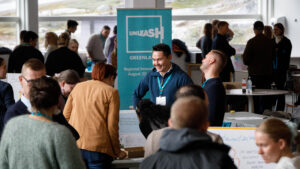
Young talents unleash their potential to get innovative ideas in Greenland
For one week, 200 young people were together in Nuuk to come up with innovative solutions to challenges we experience here in the Arctic. Ghost nets that lie on the bottom and fish on, never being picked up. Lack of local educational opportunities. Long distances
Supported project: A Complaints Board for Children in Greenland
In 2024–2025, MIO, Greenland’s children’s rights institution, conducted a feasibility study into the possibility of establishing a dedicated complaints board for children in Greenland. Based on dialogue and study visits to similar units in Nunavut , Iceland and Denmark, MIO formulated 15 concrete recommendations on
Rigsrådet is coming to Nuuk
The biggest, best – and so far also the only – podcast about the the Kingdom of Denmark, Rigsrådet, will broadcast live from Nuuk on June 5. It is the Nordic Institute in Greenland (NAPA) that has invited the three independent voices from Denmark, the Faroe
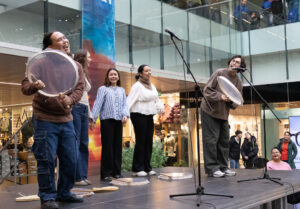
Information webinar about the Nordic Arctic Programme
(The webinar is in English.) Learn more about the Nordic Arctic Programme (NAP), a funding programme that supports cooperation between Nordic and Arctic partners to strengthen civil society, foster sustainable and green development, and build resilient and vibrant communities across the Arctic region. In this